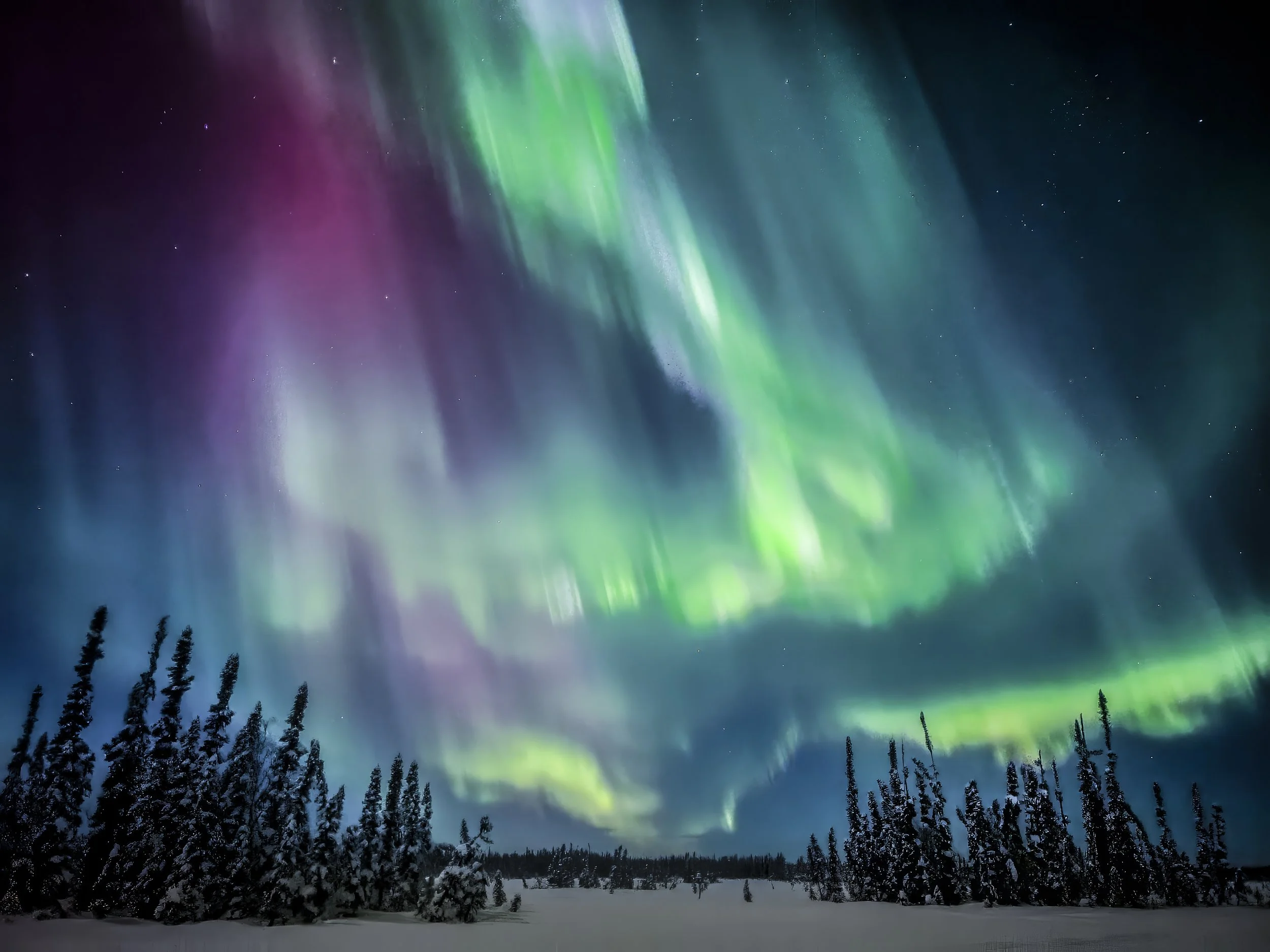
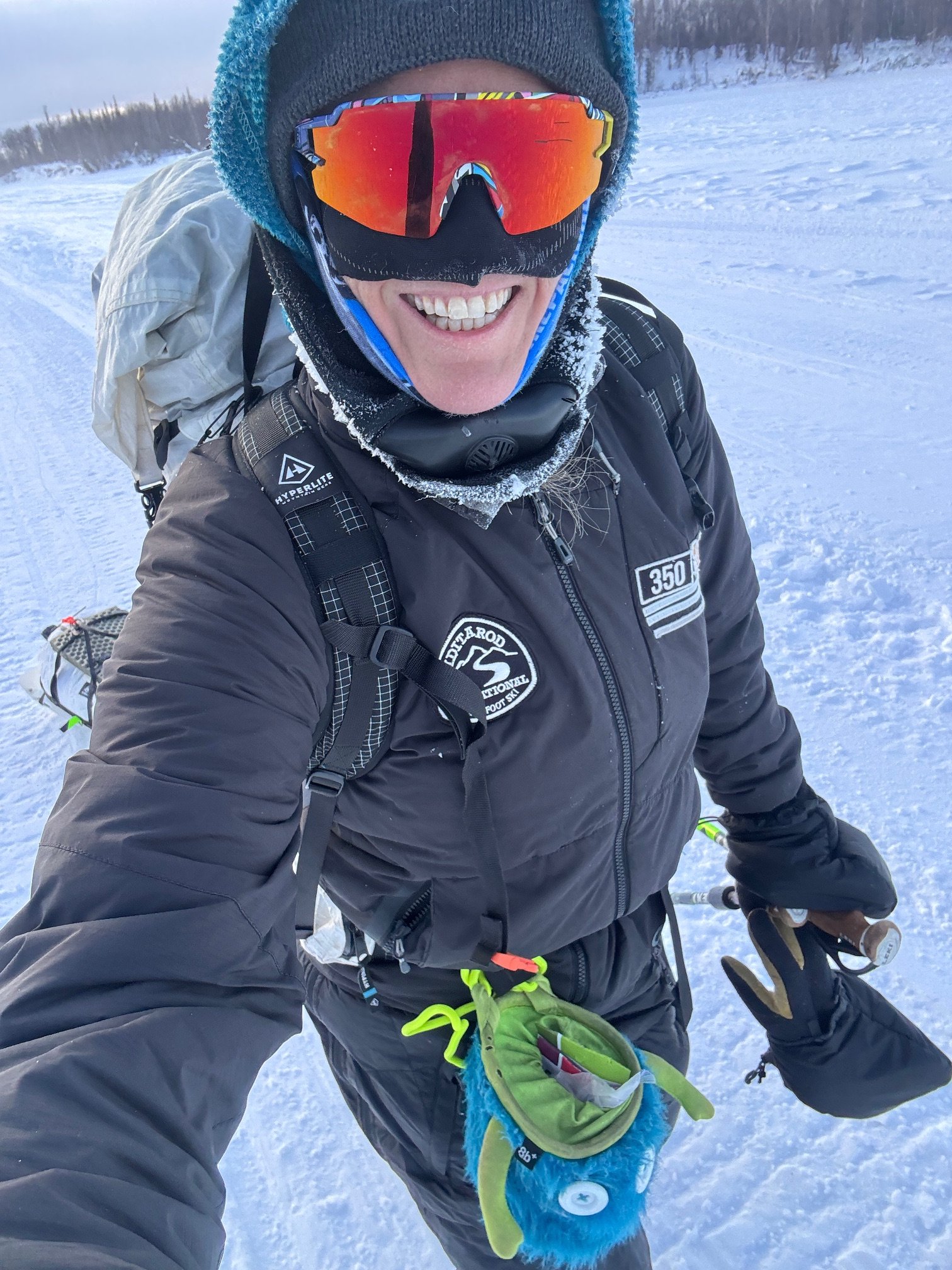
Written from the perspective of a slow poke with a spotless finishing record.
PSA: if you love figuring stuff out on your own: don't read this - you'll walk away annoyed. That said, if you're the type of person who loves to do very, very hard things (like, say, the Iditarod Trail Invitational) with some semblance of expert guidance and the ability to do research instead of learning big lessons the hard way, this article is for you.
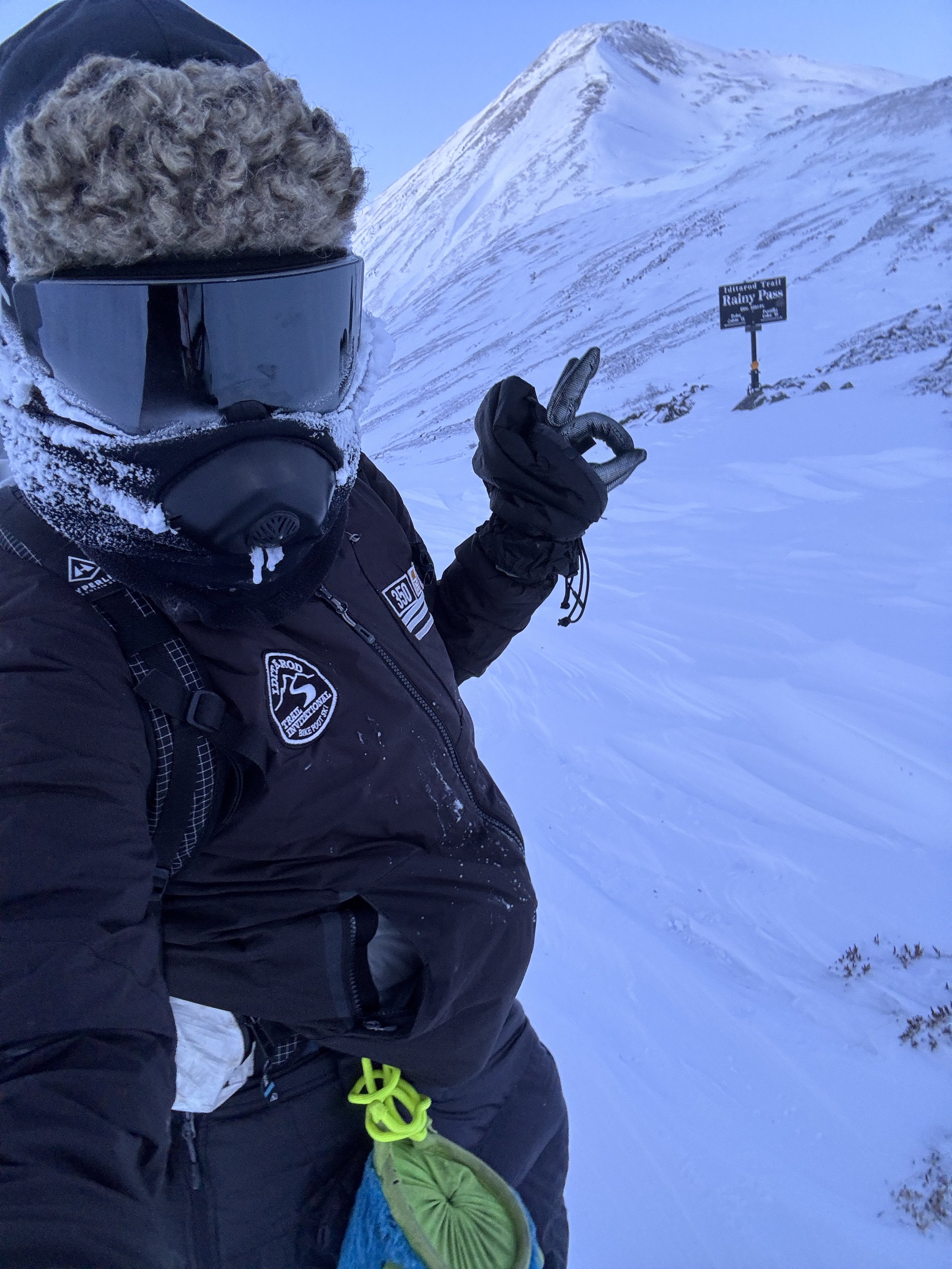
Why should you care about what I have to say?
Really, you shouldn't. In the end, every story from the Iditarod Trail Invitational is anecdata with an n of 1, and there are veterans who have amassed many more miles and finishes on the trail than my five completed missions.
But here's why I think my perspectives may be worth something, to some: I have five finishes out of five starts; I've done the 350 in all three disciplines - ski, foot, and bike; I successfully skied to Nome as part of the first ITI Nome ski finisher cohort, as a 1000-mile rookie in a year that brought pretty difficult conditions (2024). And - most important of all - I am decidedly not a super athlete.
I don't have crazy speed or endurance or the ability to push for 72 hours without sleep. The idea of running in snowshoes makes me nauseous. The idea of running any mile of the ITI course, honestly, makes me break out in a sweat. When it comes to bodily abilities, I'm a pretty average human among ultra racers. And I’ve gone into every single one of my ITI attempts with a meaningfully smaller training base than most other athletes (follow me on Strava if you don’t believe that statement.)
Which means the advice below isn't contingent on being exceptional; it just works.
A note on scope before we get into the thick of it: I'm primarily a ski and foot athlete, and my insights are most useful in those disciplines. That said, if you're biking and not racing for time, it's my riotous opinion that the bike is hands down the easiest way to reach McGrath... unless, of course, the trail disappears under several feet of snow, at which point it becomes a very expensive and very poorly performing rolling sled. For those circumstances, I’ve got no advice to offer.
So, without further ado: if you're on foot or skis with a physically and mentally strong finish in McGrath in your sights - rather than the podium - here's what you actually need to do.
1. Don't focus on going fast. Focus on sleeping.
I hear objections every time I say this: “I can't sleep during races // I don't have time to sleep // I want to be out the door early.”
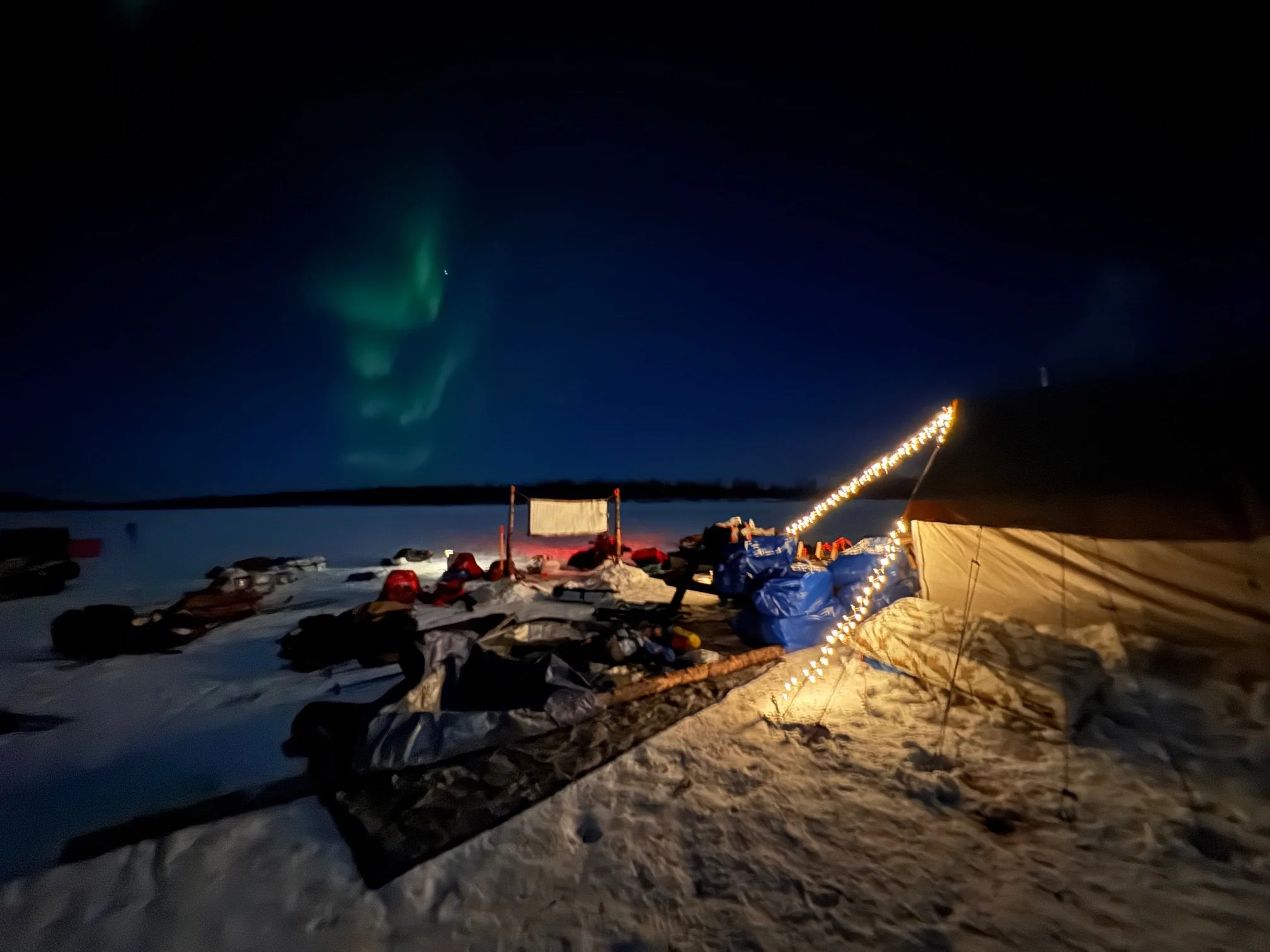
To all of these I'll offer the same reframe - you sleep in regular life, and the ITI is, from a certain angle, just a very long vacation through Alaska's interior, so don’t think of it as a race but think of it as a vacation that happens to have a bedtime. On day five or six, somewhere past the Farewell Lakes, with your legs operating on whatever energy you can still scrape together at that point, your body will understand this in a way that's harder to access when you're fresh and well-rested and very confident about your race plan.
The competitive brain is extremely good at constructing reasons why the body's signals don't apply to you, specifically, in this race, given everything you've trained for. But the competitive brain, in my experience, is wrong about this with some regularity.
2. Sleep early, sleep often.
When your pace drops, it's not a sign that you're weak - it's a sign that something isn't working. Some causes are external and mostly immovable: bad trail, tough terrain, bad weather. For those, you adapt: right tools for the moment, appropriate layers, patience. But the more common culprits are internal and fixable right now, in this moment - sleep deprivation, calorie deficit, dehydration, any combination of the three. Pace collapses almost always trace back to one of these, and the fix is almost never to push through it. The fix is to stop.
The math on this is worth actually doing: grinding through 10 hours at 1.5 mph (which is a realistic proxy for SZP — Standard Zombie Pace) covers 15 miles; sleeping 4 of those hours and moving the remaining 6 at a restored 2.5 mph also covers 15 miles - and you arrive at that 15-mile mark in a condition where the next 10 hours don't look exactly the same as the last ones did.
I have played this game a lot over the years, and never more so than in 2026 — I slept six hours at Butterfly and, for a little while, was vying for Red Lantern honors. By the time I arrived at Yentna on Monday, I was in the thick of the field… except that some other foot folks at Yentna hadn’t yet slept at all, whereas I had banked six solid hours and was feeling great.
3. Be maniacal about your kit weight.
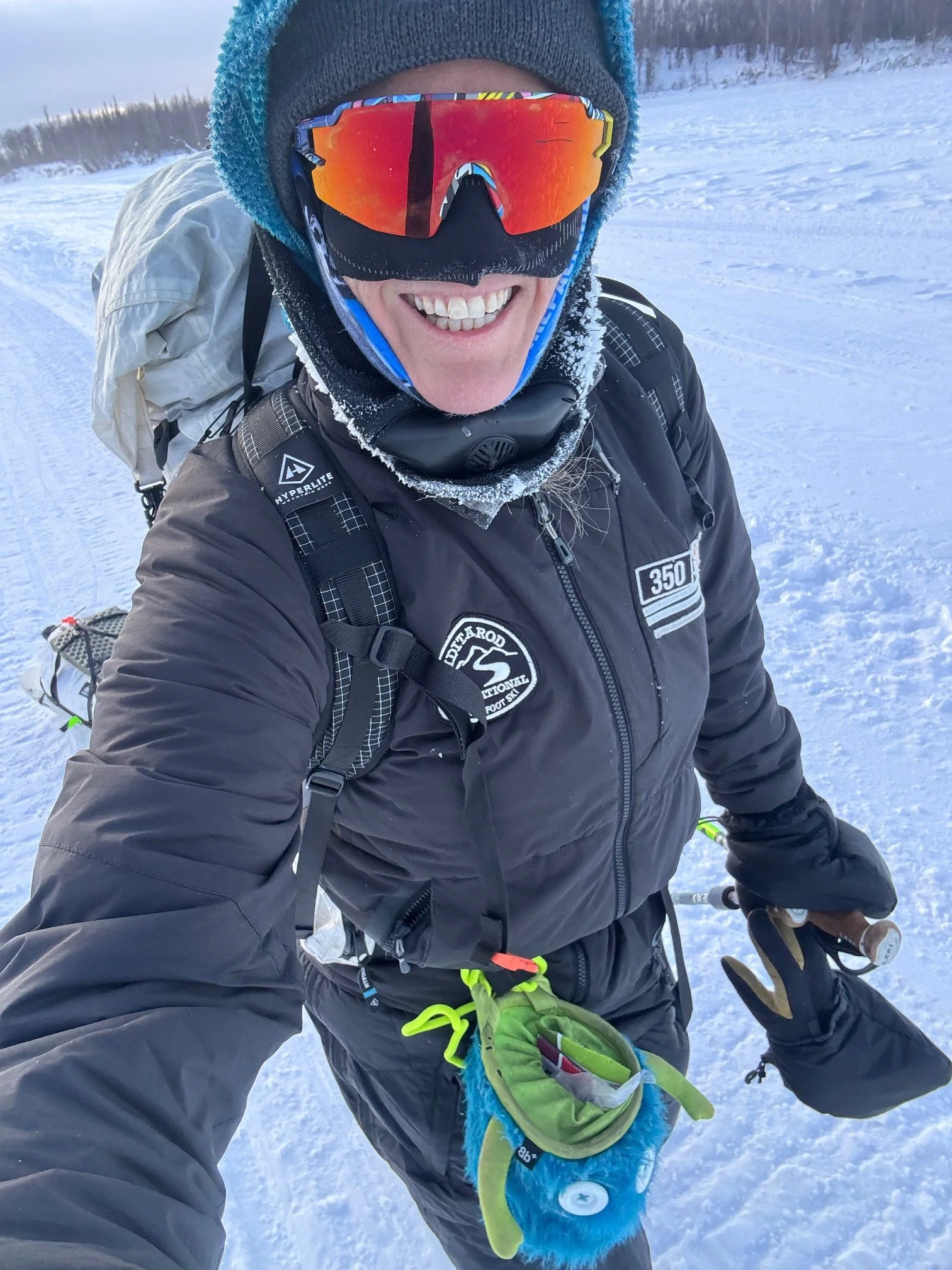
Stoked with good trail and light kit. In 2026 I weighed in at ~44 lbs fully loaded with food and water, one of my heavier setups; if I hadn’t packed at the very last minute, I would have been able to eliminate another 2-3 lbs.
If you're hauling more than 45-50 lbs for a McGrath run, you're doing it wrong - and I say this not as a slight but as an assessment of cause and effect. The reasoning that I hear is almost always some version of I want to be safe so I’m bringing extra gear mixed with I'm strong, so I can tolerate the extra weight, when the correct reasoning is I'm smart, so I'll figure out how to get the weight down without compromising my safety.
These approaches are not equivalent and they don't produce equivalent results. Having skied and hiked the trail with just a backpack, just a sled, and with a pack-sled combination, I have what I think is a reasonably calibrated perspective on how much sled & pack weight matters - how it compounds over miles, how it changes the feel of your body and feet somewhere around the 200-mile mark, how much of your will to continue on it quietly consumes without you noticing until it's already gone. Bikes probably follow the same logic, though I have less standing to claim authority on the wheeled side.
4. Eat. More than you want to, as much as you can.
There will be moments on the trail - usually starting on the Yentna River and definitely once you push into the Alaska Range, when everything hurts and your appetite has packed up and left for somewhere warmer - where eating feels like a chore and skipping a meal seems like the kind of minor concession that won't matter. It matters. You are burning far more than you can possibly replace, and every calorie deficit you run today will show up tomorrow as a pace collapse that feels inexplicable right up until you trace it back to the meals you didn't finish. My approach, for what it's worth: eat at every opportunity (starting at Butterfly!), eat more than seems reasonable for a person sitting still in a checkpoint, and eat right up to - but not across - the boundary of nausea. That boundary is real and it's worth learning where yours is. But operate near it.
5. Drink. And think harder about this than you want to.
At 5% body weight loss from dehydration, work capacity drops by roughly 30% - that figure comes from exercise physiology research (Armstrong et al., among others) and while the methodology debates are ongoing, nobody serious is arguing the effect isn't real. On a race where your average moving speed is 2.5 mph, where everyone else's average moving speed is also 2.5 mph, and where finish times come down to hours of difference accumulated over the course of a week or more - a 30% capacity hit is not a rounding error, it's an entirely different race.
The problem with the ITI is that the hydration logistics are genuinely challenging: water is heavy, containers freeze, and there are long stretches without reliable water access. My strategy is to compensate at the checkpoints rather than fight the in-between - load up thoroughly at every structure you pass through, carry enough for the stretch ahead and not much more. I do not carry a stove, but I am intentional with my hydration. Through the Burn I ran two liters with one 1-liter refill at Sullivan Creek, and that was fine - but only because I'd made a real effort in Rohn beforehand and was keeping Nikolai in mind the whole way through. Know your sources before you're thirsty.
6. Don't trust tracks in the snow.
Procure a GPS track, know how to read it, and check it at every junction - not most junctions, not the junctions that look ambiguous, but every junction. The trail has accumulated more than a century's worth of options for going the wrong direction, and your confidence that you're heading the right way is not, in itself, evidence that you are. I pride myself in my navigation, and I’ve done the trail five times… yet even I made three nav errors in 2026 because I was getting complacent and over-confident that I should now be able to navigate fully by sight rather than by checking my GPS.
7. Fret over three areas when it comes to temperature: your feet, your hands, your face.
Yes, you need to keep your core warm in order to have a shot at having warm extremities - but that’s the easy part. (If you’re worried about how to keep your core warm, you’re not ready for this race yet!) That’s why I want to focus on feet, hands and face - starting with the feet, because I feel strongly about this.
Most foot athletes are, in my view, dramatically undercutting their safety margin by choosing uninsulated GoreTex running shoes, and I understand the logic - light, breathable, proven over hundreds or even thousands of training miles. It works when conditions are reasonable and you're moving fast enough for your metabolism to keep you warm. But what about day three of -40°F in the interior, after the Alaska Range has done everything the Alaska Range does to a person, when your pace has dropped to 2 mph because you're simply too depleted to move faster and you are, by that point, past the kind of tired where you can will your metabolism to compensate? The uninsulated shoes stop being a performance tool and become a problem of a different category entirely. My recommendation: choose a boot that's warm enough to allow you to move slowly - because at some point on the 350, you will be moving slowly. My setup is the LOWA Renegade Evo Ice with a single mid-weight alpaca wool sock; that combination took me to Nome in 2024 and to McGrath in 2026, over 1300 miles of some of the coldest trail on earth, without a single moment of genuine concern about my feet. I’d argue that, for a race that has frostbitten better athletes than me, that outcome speaks for itself.
For your hands and face… just don’t get complacent. Warmer gear doesn’t always lead to less frostbite risk - remember you are optimizing for moisture management first, and warmth second. Case in point: I crossed the Alaska Range in 2026 with nothing but thin Seirus Heatwave liner gloves and lightweight Yama Pogies; I didn’t even have to use handwarmers (though I did put my poles away for long stretches at a time so I had the option of putting my hands into my jacket pockets).
Another pro tip for a piece of gear that I trialed during the 2026 Rainy Pass crossing for the first time: Tempest Optics heated goggles proved to be worth their weight in gold.
8. Get smart on weather data, and use it.
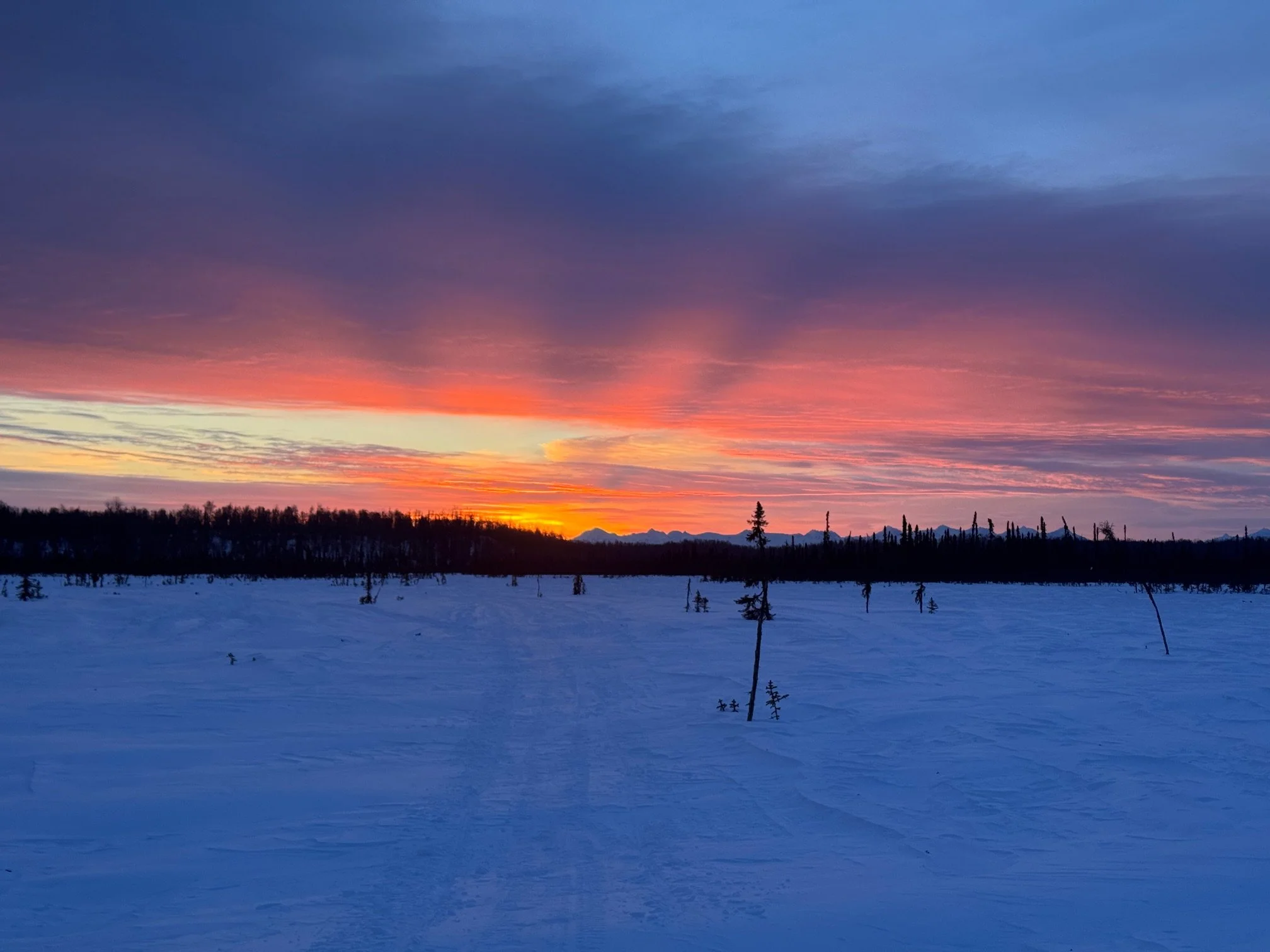
Know where to find forecasts and current conditions for each section of the route before you need them - not after you're committed and already standing in whatever's coming. (If you’re not sure where to start for nuanced backcountry forecasts, wind speeds etc, ITI vet Jonathan Chriest is a professional metereologist and hosted a free webinar on this very topic.)
The worse the forecast, the more tips 1 and 2 apply; the Alaska winter doesn't negotiate and has no particular interest in your timeline, and the less well-slept and well-fed you are the more prone you are to making mistakes and getting yourself into trouble. Your job is to have enough information, early enough, to make a reasonable decision about when to push and when to be patient. Getting that call wrong on a benign stretch of trail is uncomfortable. Getting it wrong in the Alaska Range, in wind, at the wrong temperature, is a different category of problem.
9. Fix it now.
Not at the next checkpoint, not once you get to the trees, not in a few miles when maybe it'll resolve on its own. Now. The logic of I'll just get to the corner and then deal with it feels like discipline - it feels, in the moment, like being tough - but it is almost always false economy, and the trail has a way of making this very clear by the time you arrive at that corner. Fixing a hot spot costs 5 minutes and essentially nothing in performance. The same hot spot, four hours later, has become something that costs you days. For anything that might involve cold injury - cheeks burning, hands having lost sensation to a dangerous level, toes freezing - "now" means right now, before the next step. For everything else, as soon as you can stop without creating a cold exposure problem in the process. There is no version of this race where waiting made a small problem smaller.
10. Have a plan. Hold it loosely.
You will start with a plan - a daily mileage target, a checkpoint schedule and, after reading this article, hopefully a sleep strategy you've thought through carefully and are quietly proud of. That plan is useful. It gives you a framework for the first day or two, and a reference point for everything after, which is when the trail will begin systematically dismantling it. Conditions change; your body doesn't perform the way it did in training; the weather has opinions. I believe that the athletes who struggle most are usually the ones gripping the original plan after the plan has stopped applying - those who are behind schedule and responding to that by pushing when pushing is the wrong call. What the trail actually asks of you is continuous adjustment: listening to your body, reading the conditions, recalibrating what "a good day" looks like given what's in front of you right now rather than what you mapped out at home. The plan is a starting point; the trail is the conversation.
There’s another element that factors in here: race your own race and don’t get sucked into the false sense of safety that comes from being part of a pack. Traveling in groups can be a nice morale boost and combat monotony, but outside of those two factors it makes everything harder - optimizing your pacing, layer adjustments, sleep schedule, etc etc. I understand the desire of having folks in your proximity but I do not believe that traveling in a pack is a success strategy (I wrote about Sarah’s and my 2021 experience here). If you do want to coordinate with other racers, I would recommend a leapfrogging strategy and checkpoint socials rather than true trail companionship.
And then there's the ultimate factor - the thing that isn't in any packing list and can't be borrowed from someone else's race report. Somewhere out there, probably not at a moment that announces itself as significant, you will have to decide that you are going to finish.
This is not the decision you made at the start line; that one's easy, and it doesn't really count. The one you make later, when the math has stopped adding up and everything hurts and the trail has made a fairly persuasive case for why stopping would be completely reasonable and is, in fact, the rational thing to do (spoiler alert: the rational thing is to never attempt a race like this in the first place). That decision to finish is the race. The nine tips above will get your body to that decision in the best possible condition. What you do with it is yours.
Casey B, a fellow 350 racer said to me this year somewhere in the middle of the Happy Steps: I hope you're finding what you came out here looking for. I've been turning that over ever since, because it's exactly right and also somewhat impossible to answer. The ITI is an entirely elective, entirely irrational pursuit - it costs money, it costs time, it has, in some years, cost people fingers and toes and more than that. It is hard to explain to anyone who didn't already want to do it. But if you do want to do it - if something in you has been tugged toward Alaska and the cold and the particular silence of crunching snow at 3am when no one is around for miles - then the things that will get you to McGrath are simpler than it seems: calories, sleep, water, boots that are warm enough, a GPS track you actually check, and the willingness to adjust when the trail asks you to. The rest of it - what you came out here looking for - the trail will handle that part on its own schedule, in its own way, whether you're ready for it or not.